In March 2026, Ukraine for the first time since the beginning of Russia’s full-scale invasion in 2022 launched more attack drones against Russian territory than Moscow directed against Ukraine. This was reported on April 6 by ABC News based on an analysis of data from the Ukrainian Air Force and the Russian Ministry of Defense.
Russia stated that it shot down as many as 7,347 Ukrainian drones in March, marking a record monthly figure. This corresponds to an average of approximately 237 drones per day, indicating a significant escalation in the intensity of aerial operations.
On the other hand, according to Kyiv, Ukrainian air defense intercepted or neutralized more than 90 percent of the 6,462 Russian drones and nearly 74 percent of the 138 missiles launched. The average daily burden on Ukrainian airspace amounted to more than 208 drones and four missiles.
The most massive attack occurred on March 24, when Russian forces launched nearly 1,000 drones and 34 missiles against Ukraine, representing one of the largest single-day assaults since the start of the war.
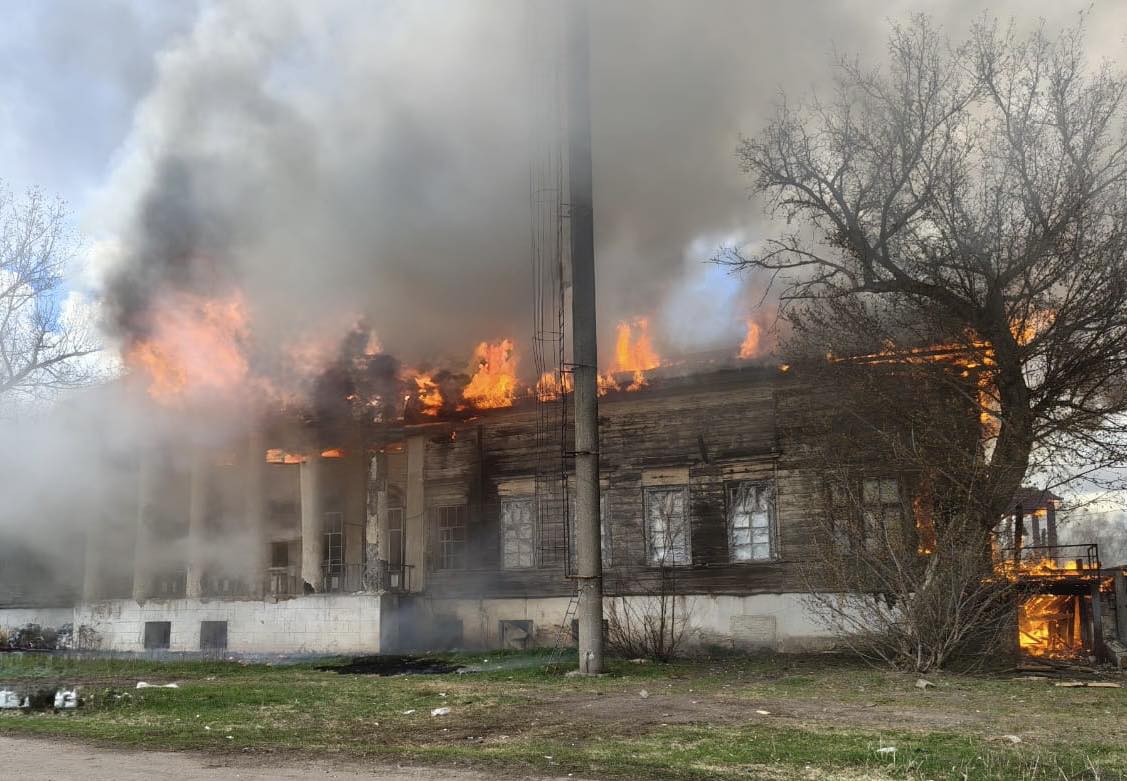
At the same time, Ukraine intensified strikes on key elements of Russia’s energy infrastructure. Targets included the ports of Ust-Luga and Primorsk on the Baltic Sea, where Kyiv aims to undermine financial flows supporting Russia’s military machine.
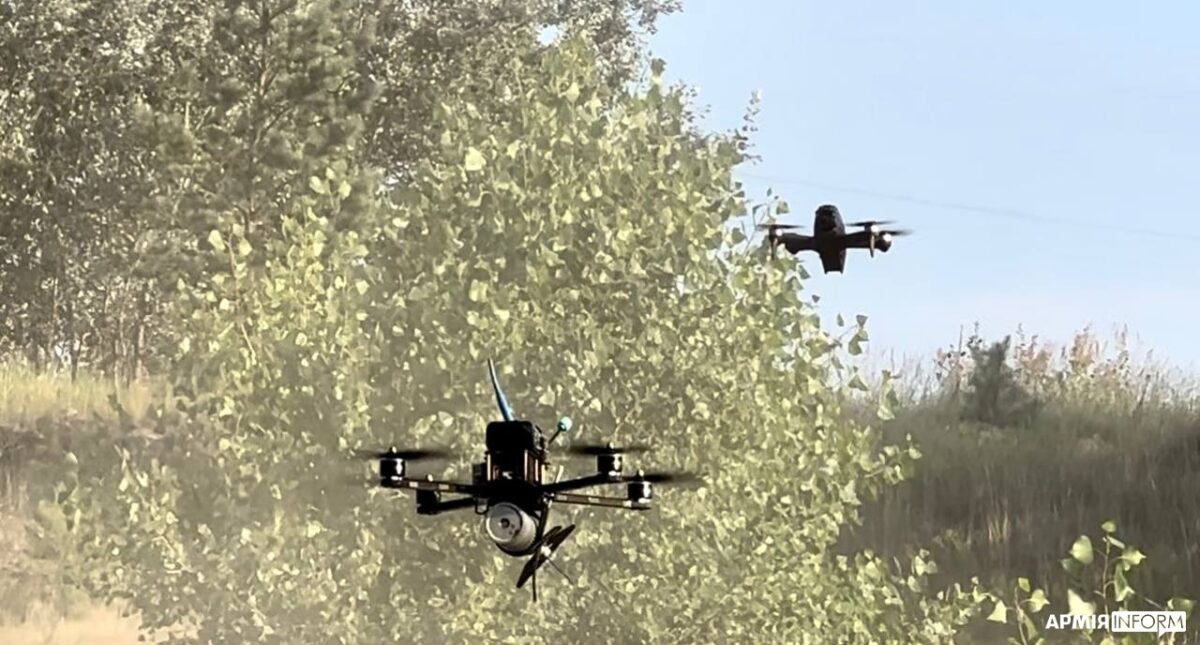
Analysts note that the published figures may partly reflect propagandistic assessments by both sides. However, numerous videos and photographs confirm that Ukrainian drones are increasingly penetrating Russian air defenses and striking strategic targets deep inside the aggressor’s territory.
Ukraine is increasingly relying on domestically produced low-cost drones and interceptors, while also accelerating the development of its own cruise missiles. Among these, the “Flamingo” missile project stands out as a system expected to further strengthen Ukraine’s strike capabilities in the future.
These developments indicate a significant shift in the aerial dimension of the war, with Ukraine gradually reducing the technological and quantitative gap and increasingly bringing the conflict onto Russian territory.