Russia has temporarily lost about 40 percent of its oil export capacity, Reuters reports, citing market data and trader sources. That amounts to roughly 2 million barrels per day that currently cannot be shipped abroad under normal conditions because of a combination of Ukrainian attacks, problems involving Russia’s so-called shadow fleet of tankers, and earlier damage to infrastructure.
According to that estimate, this is the most serious disruption to Russian oil shipments in modern history. The situation is especially unfavourable for Moscow because it is unfolding at a time when global oil prices are high and have risen above 100 dollars a barrel.
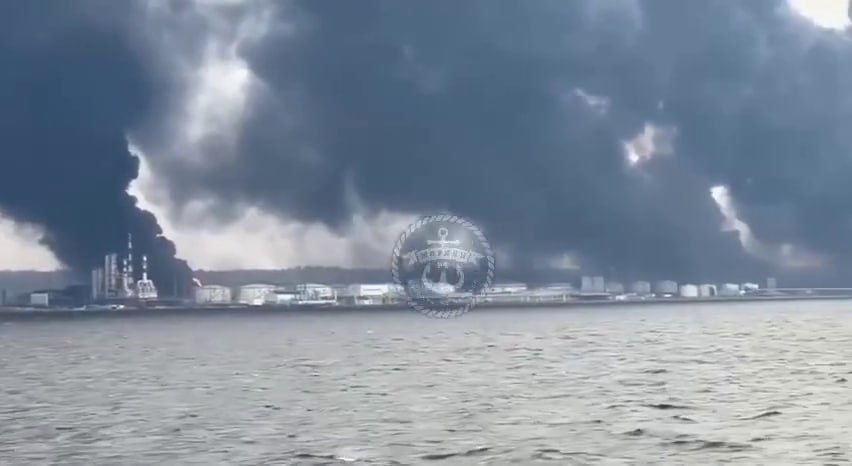
The main blow has been dealt in the Baltic Sea. Following Ukrainian drone strikes on 23 and 25 March, oil shipments from two of Russia’s most important export ports, Primorsk and Ust-Luga, were interrupted. At the same time, exports via Novorossiysk on the Black Sea are running below planned levels. A further problem is the Druzhba pipeline, whose transit was halted back in January after damage caused by Russian strikes on Ukraine.
Reuters also reports that European countries are increasingly detaining Russian shadow-fleet tankers, further disrupting exports. Because of those detentions alone, shipments from Murmansk amounting to around 300,000 barrels per day have been affected.
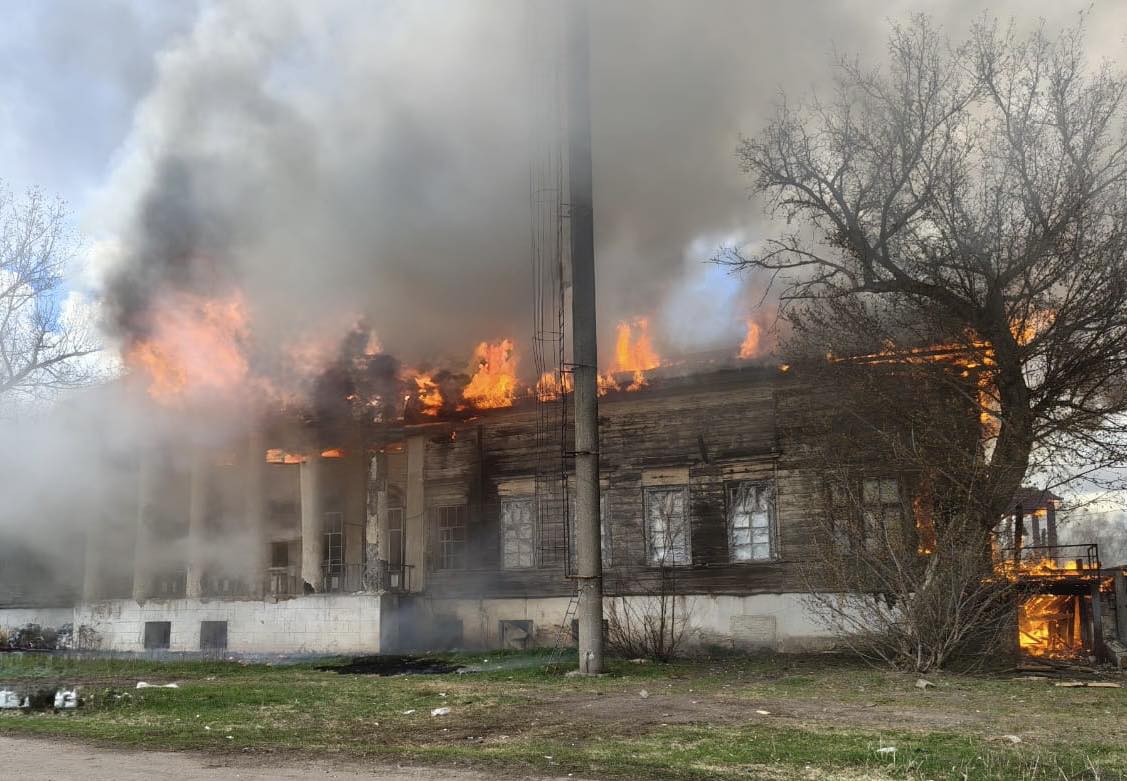
At the same time, Ukraine continues to strike Russia’s oil infrastructure itself. During the night of 25 to 26 March, drones attacked the Leningrad region, and local authorities reported damage in an industrial zone in the Kirishi district. Although officials did not say which facility had been hit, local sources and Telegram channels say the target was Kirishinefteorgsintez (KINEF), one of Russia’s largest refineries.
The refinery, owned by Surgutneftegaz, ranks second in Russia by processing volume and is capable of refining up to 20 million tonnes of oil a year. It had already been targeted by Ukrainian attacks in 2024 and 2025, and after one of the earlier strikes it was forced to suspend operations at a key unit temporarily.
Although Russia is still supplying oil to China, Belarus, and through the Sakhalin-1 and Sakhalin-2 projects without major disruption, Reuters’ estimate shows that Ukrainian strikes and logistical problems have dealt a serious blow to one of the Russian state’s most important sources of income. Although the war against Iran has pushed oil prices higher, the losses Russia is suffering as a result of Ukrainian attacks largely offset any benefit from that price increase.