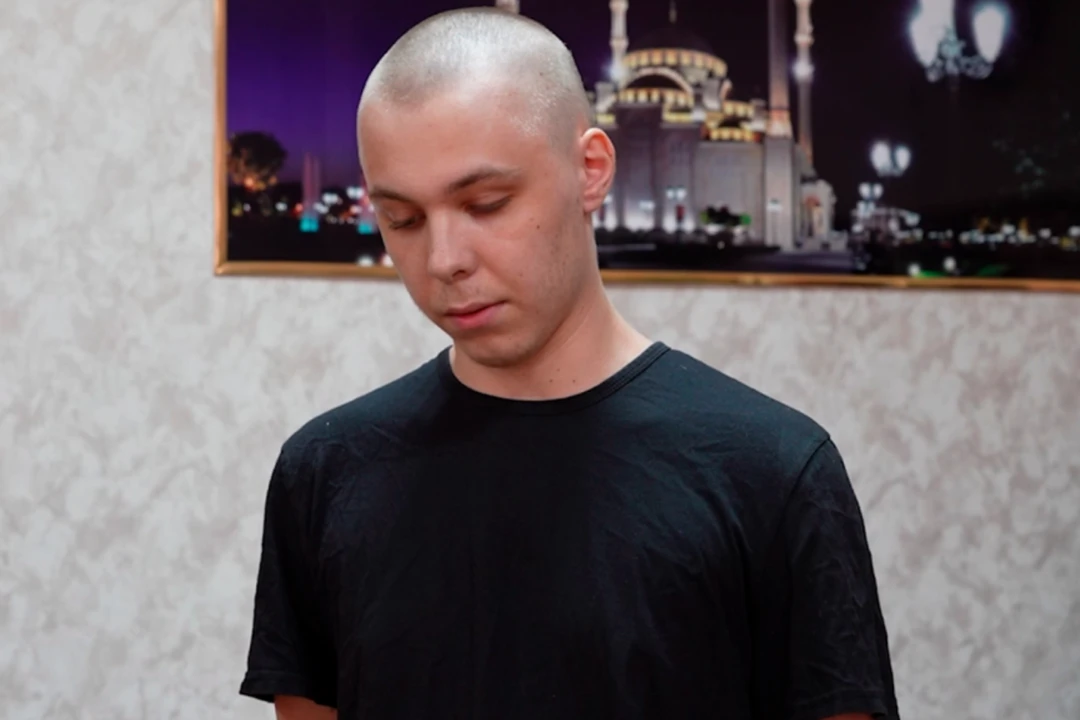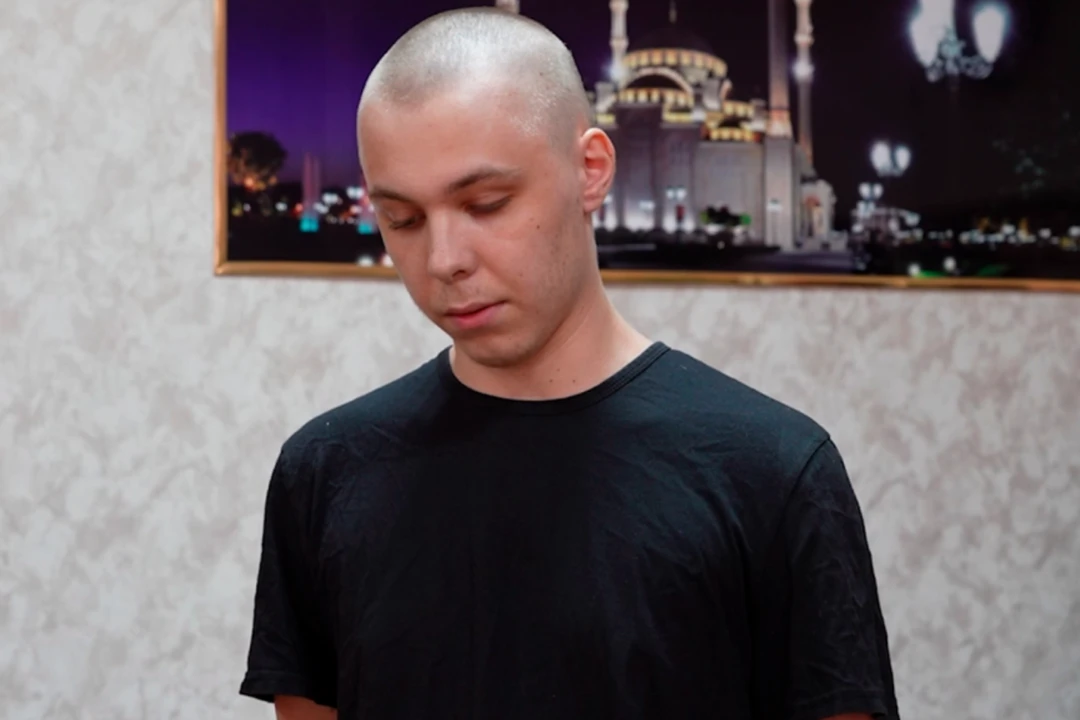
Nikita Zhuravel, who was convicted for burning the Quran and treason, has “disappeared” during a transfer to another prison. Zhuravel became widely known after footage showed him being beaten in a Chechen prison by Adam Kadyrov, the son of Chechen leader Ramzan Kadyrov.
The fate of Nikita Zhuravel, who became known to the wider public due to the controversial burning of the Quran and the subsequent brutal attack in a Chechen prison, remains unknown, as all trace of him was lost during a prison transfer. His lawyer Andrei Sabinin stated in an appeal to the Russian Human Rights Council that he has had no information about his client’s location since December 24, 2025, when relatives received the last letter from the city of Ulyanovsk. The lawyer expressed serious concern for Zhuravel’s life and health, noting that there is currently no evidence that the prisoner is even alive, while also emphasizing that authorities had previously systematically prevented longer visits from his parents. Member of the Human Rights Council Eva Merkacheva explained that such disappearances during transfers are a common issue in the Russian prison system, as prison administrations often exploit legal loopholes and pressure inmates not to consent to informing relatives about their location.
Zhuravel, who was born in now-occupied Crimea and studied in Volgograd, came under prosecution in May 2023, when he was accused of burning the Quran in front of a mosque. Although, under Russian law, the investigation should have taken place at the location of the incident, he was unusually transferred to Chechnya on the order of the head of the Investigative Committee, Alexander Bastrykin, where a crowd demanding vigilante justice gathered outside the prison. Shortly after his arrival in detention in Grozny, he was beaten by Adam Kadyrov, the son of Chechen leader Ramzan Kadyrov, who publicly justified his son’s violence as a legitimate defense of Islam. In February 2024, Zhuravel was sentenced to three and a half years in prison for hooliganism and offending religious feelings, despite publicly apologizing to Muslims and denying intentional disruption of public order.
His legal troubles deepened further in November 2024, when he was convicted in a separate case for treason, allegedly for passing footage of Russian military transports to the Ukrainian intelligence service SBU. The human rights organization Memorial recognized him as a political prisoner due to the circumstances of the case, emphasizing that burning a religious book should at most be treated as an administrative offense, not as a criminal act leading to dangerous and opaque prison risks, as seen today. The current silence of Russian authorities regarding his whereabouts only intensifies fears that Zhuravel has been subjected to retaliatory measures within the penal system that go beyond the issued sentence.