In recent weeks, Belarusians who fled to European Union countries due to political persecution have been facing a new, psychologically perverse campaign by the regime of Alexander Lukashenko. Belarusian secret services (KGB) have begun systematically approaching activists عبر social media, using a “carrot and stick” tactic – offering them a safe return home in exchange for betraying their fellow activists.
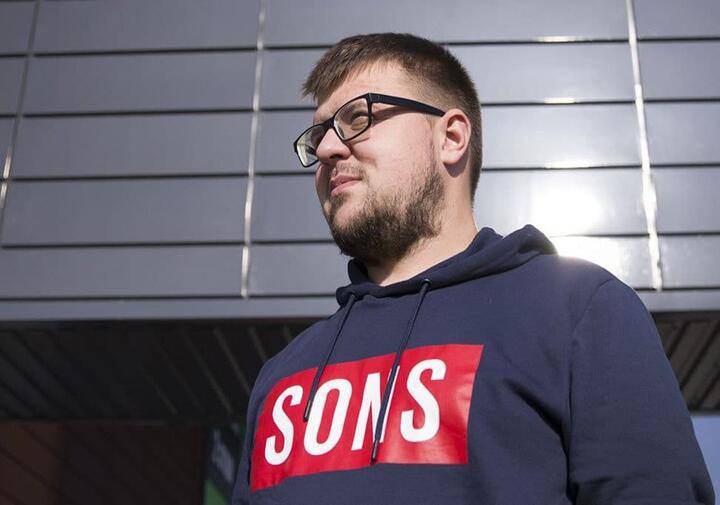
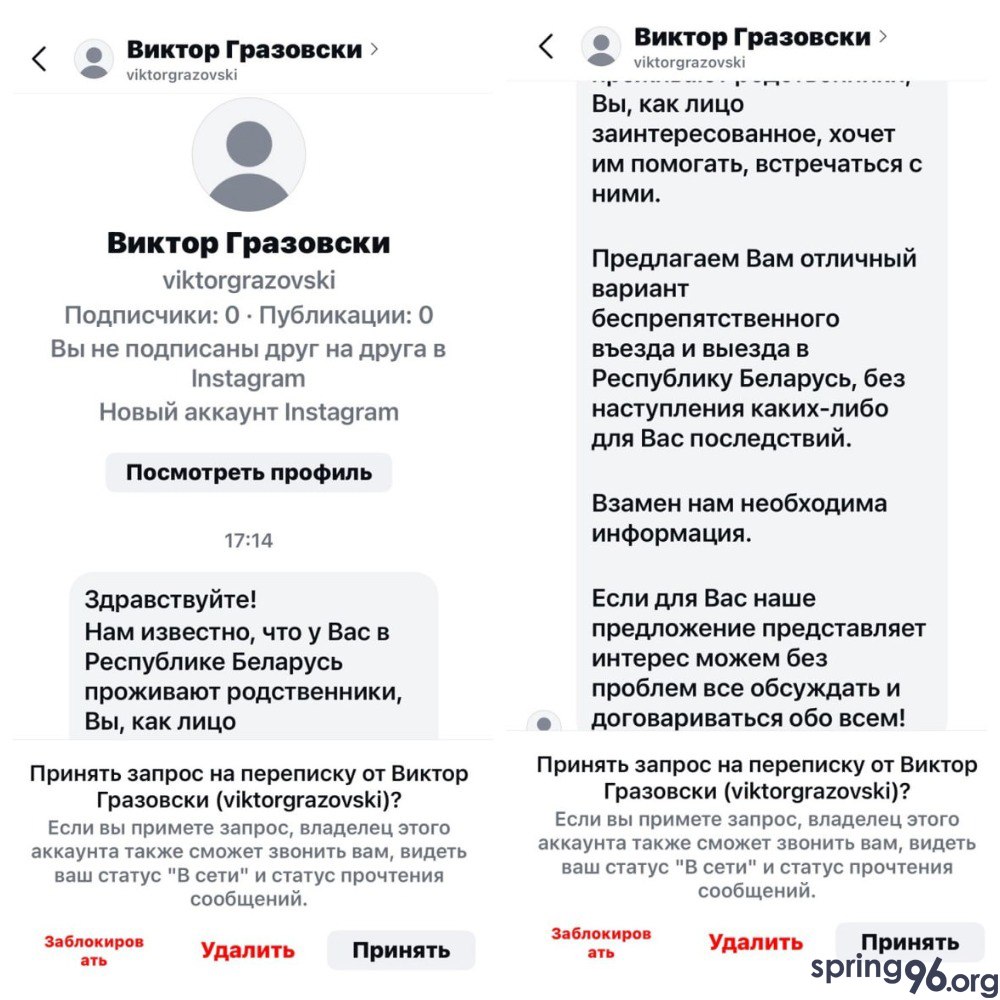
The latest target of these pressures was Anastasia Vasilchuk, an activist of the well-known human rights organization Viasna. Through Instagram, she received a message from an unknown profile offering “mutually beneficial cooperation.” The message was direct: if Anastasia agreed to work for the regime, the authorities would allow her to return to Belarus without fear of imprisonment. However, behind these offers lies a dark warning. Agents cite the case of Anzhelika Melnikava as a “successful example” of such an arrangement.
Anzhelika Melnikava, a former spokesperson of the opposition Coordination Council, disappeared under mysterious circumstances in March 2025. Since then, there has been no verified information about her whereabouts or condition. The fact that secret services now use her name as a recruitment tool is causing justified alarm among exiles. For observers in Southern Europe who may be less familiar with the methods of Europe’s last dictatorship, this represents a clear example of state terrorism. The regime does not rely solely on physical force within its borders, but also seeks—through abuse of technology and psychological intimidation—to reach people who have found safe refuge abroad.
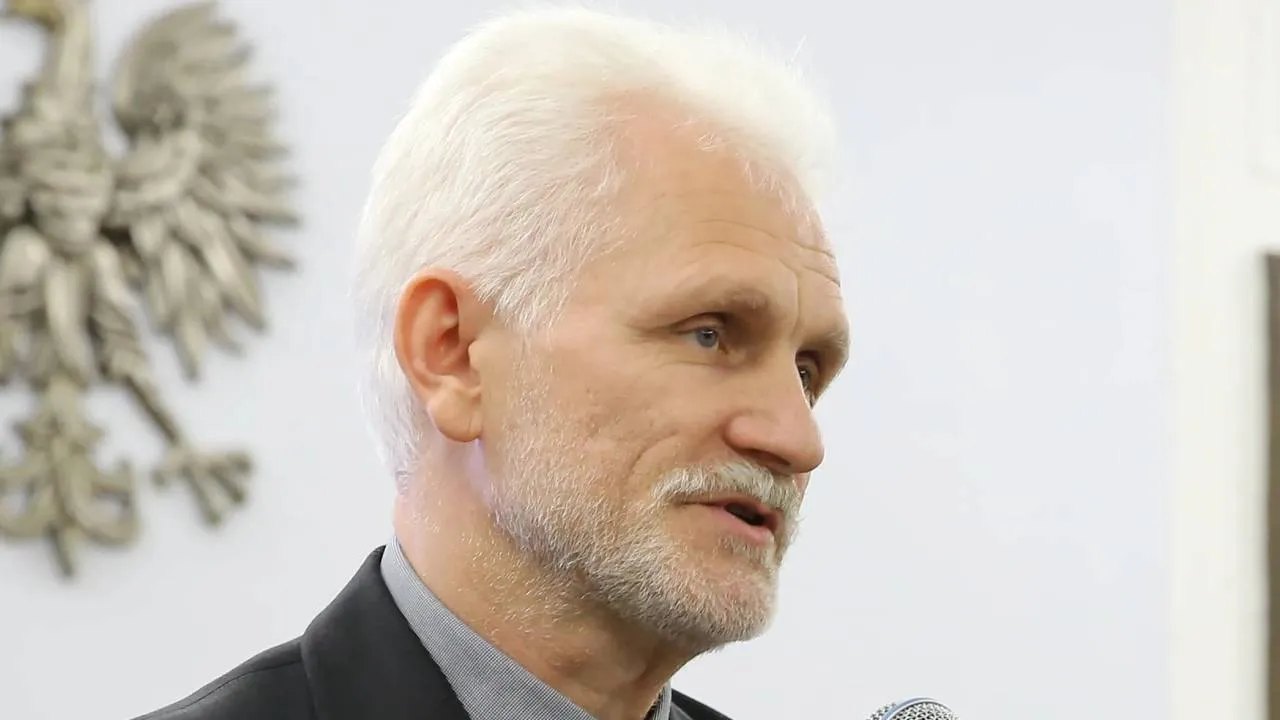
The goal of these messages is not only to recruit informants, but above all to spread paranoia. The regime aims to make activists abroad question who among them may have yielded to pressure and begun cooperating with the secret police. By invoking the “Melnikava case,” they clearly signal that they can reach anyone, and that the only path home runs through them. The Viasna organization, whose founder Ales Bialiatski is serving a ten-year prison sentence in Belarus, calls on all exiles to exercise extreme caution. Such messages are a dangerous attempt at manipulation, which for those who fall for it typically ends in forced confessions on state television or long prison sentences upon return.
Belarus thus once again demonstrates that the line between war on the battlefield and war against its own citizens is increasingly blurred in the digital age. For those who have built a new life in the European Union, the Instagram inbox is no longer just a space for friendly conversations, but is becoming the first battlefield in the struggle for their freedom and integrity. This move by the secret services confirms that the repressive apparatus does not stop at state borders, but uses digital tools to intrude into the private lives of individuals across the world.