Natallia Dziadziulia worked for many years at the Belarusian State University of Culture and Arts (BSUCA), a central state institution with approximately 6,000 students, where future artists and cultural professionals are trained.
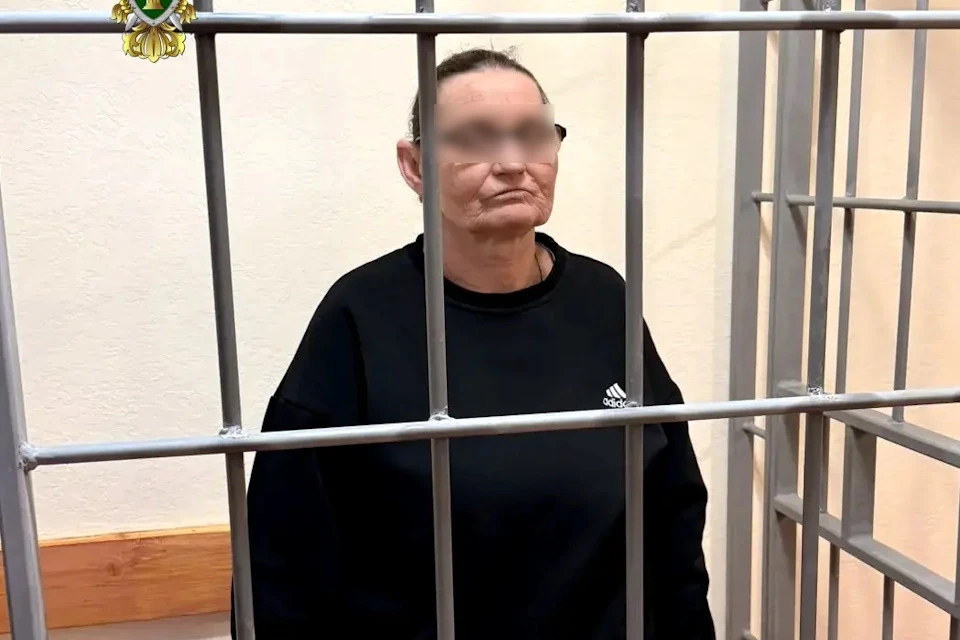
However, her career at the university ended with a trial at the Minsk City Court, where she was convicted of “inciting hatred” and “assisting extremist activities.” In Belarusian judicial practice, such legal terms often conceal the persecution of any form of dissent or cooperation with independent sources of information.
Behind her conviction is reportedly the case of “Belaruski Hayun” (Belarusian Nightingale). This is a well-known online project that emerged in 2022 at the beginning of Russia’s invasion of Ukraine. Its purpose was to monitor Russian and Belarusian military movements, relying on information anonymously submitted by ordinary citizens.
A security flaw within the project proved fatal for Natalija and many others. During the arrest of one of the activists, security forces found a permanent link on her phone to a digital tool (bot) through which people had sent information to Hayun. Investigators were thus able to infiltrate the system and obtain identification data of everyone who had ever contacted the project.
The court sentenced Natallia Dziadziulia to a punishment known as “home chemistry.” This is a specific Belarusian form of penalty that involves strict house arrest combined with compulsory labor. The convicted person lives at home and goes to work but remains under constant police surveillance, faces strict movement restrictions, and is not allowed to leave home outside designated hours. The exact duration of her sentence has not yet been disclosed, but the case once again confirms the high price Belarusian intellectuals pay for any connection to opposition activities.