Aliaksandr Chyzh
Biography
Aliaksandr Chyzh (born June 18, 1983) is a Belarusian citizen currently recognized as a political prisoner. His case highlights the severe legal repercussions faced by individuals who voice dissent against the long-standing authoritarian rule in Belarus. Chyzh was targeted under the country's controversial defamation laws, which are frequently used to silence political opposition and civil society.
On June 19, 2024, just one day after his 41st birthday, Chyzh was convicted by the Biaroza District Court. Judge Alena Niamkova found him guilty of violating Part 1 of Article 368 of the Criminal Code of the Republic of Belarus, which pertains to "Insulting the President of the Republic of Belarus." For this alleged offense, he was sentenced to two years of imprisonment in a general-security penal colony.
The persecution intensified on July 13, 2024, when the authorities officially added him to the "List of citizens involved in extremist activities." This designation, often referred to as the "extremist list," imposes significant restrictions on an individual's rights, including the monitoring of financial transactions and increased administrative pressure during detention. Chyzh is currently being held in Penal Colony No. 9 in Horki, an institution notorious for its harsh disciplinary measures and the systematic isolation of political detainees.
Human rights organizations have issued statements declaring Aliaksandr Chyzh a political prisoner, emphasizing that his conviction for expressing an opinion is a direct violation of international human rights standards and the freedom of speech. His continued detention serves as a stark reminder of the risks faced by ordinary Belarusians who dare to criticize the state leadership. International observers continue to call for his immediate release and the dismissal of all charges.
Related News Articles 1
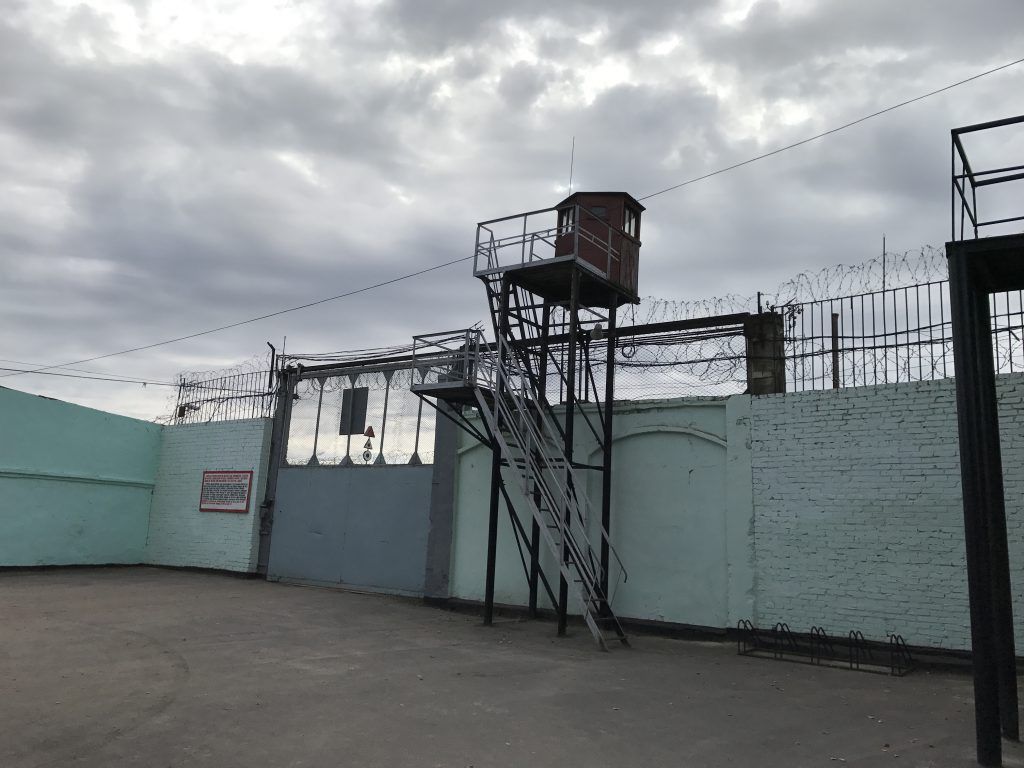
Penal Colony No. 9 in Horki: Belarus’ System for Breaking People Behind Bars
When people talk about political prisoners in Belarus, most think of arrests during protests or long prison sentences for opposition activists. What is far less …
Read More