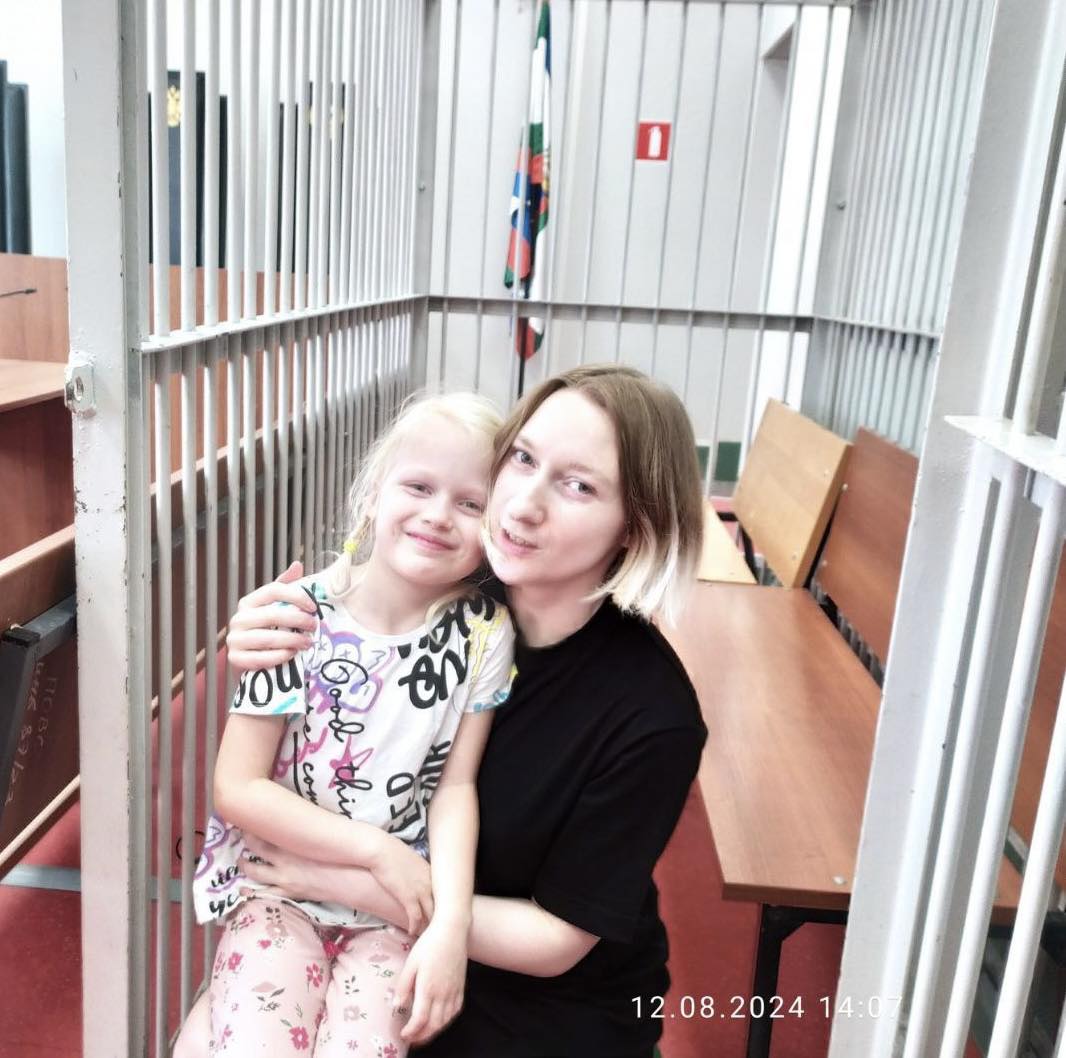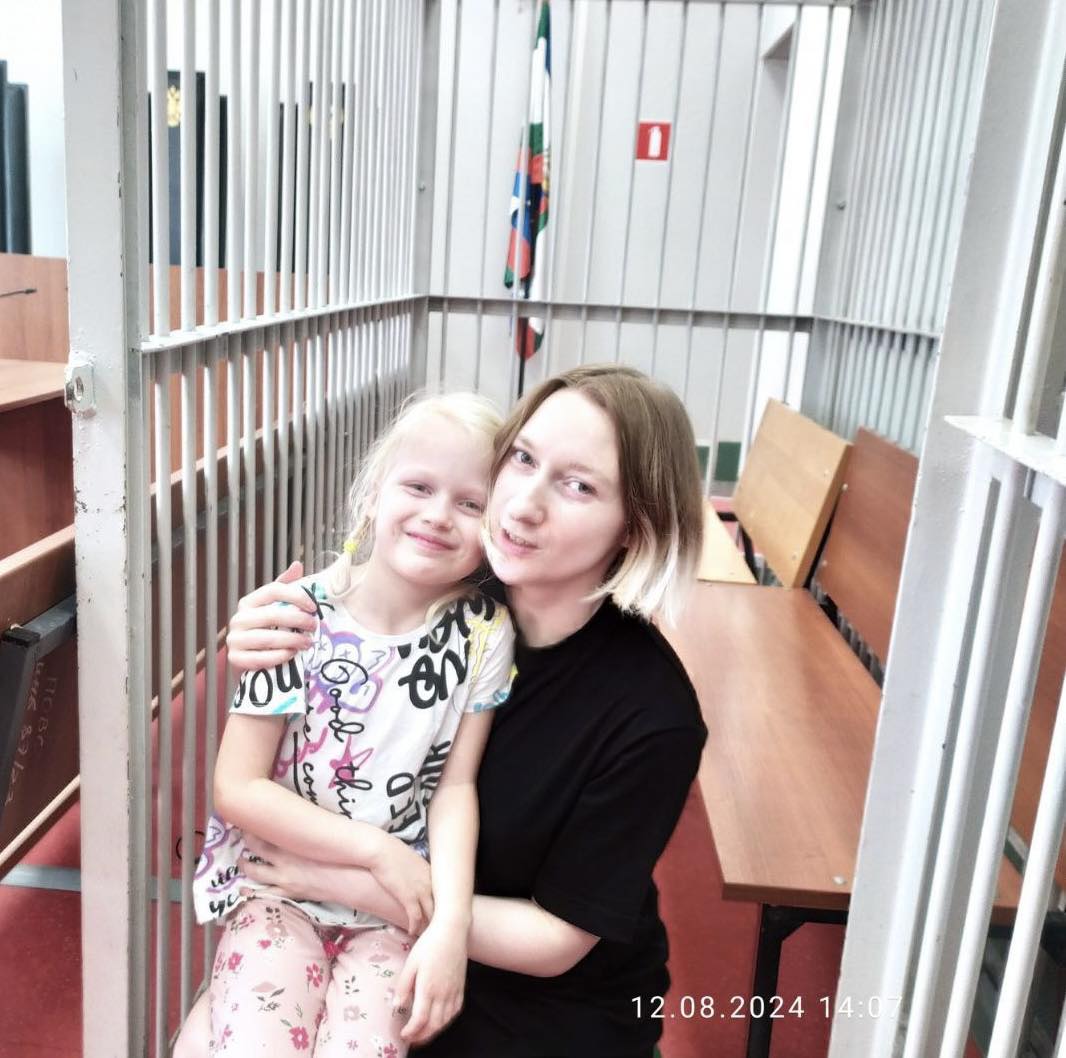
SAMARA — A court in the Russian city of Samara has sentenced a young mother, Polina Yevtushenko, to 14 years in prison on charges of treason and terrorism in a case that human rights advocates say reflects increasingly aggressive use of criminal law against dissent.
According to reports about the case, investigators accused Yevtushenko of discussing, in private conversations, the possibility of joining an anti-Kremlin armed group and expressing criticism of Russia’s war in Ukraine. The charges stem from recorded conversations with a man who, according to accounts from activists and observers, allegedly acted as a provocateur cooperating with Russian security services.
The case has drawn criticism from rights defenders who say it illustrates the growing risks faced by ordinary citizens in Russia for expressing political opinions—even in private settings.
Conversations that led to criminal charges
According to reports about the investigation, the man who later provided evidence to authorities initially befriended Yevtushenko and gradually gained her trust. The two reportedly communicated regularly, during which time they discussed political topics, including the war in Ukraine.
During these conversations, Yevtushenko allegedly spoke hypothetically about how someone might join the Russian Volunteer Corps, a group of Russian nationals fighting on the Ukrainian side in the war. She also reportedly voiced critical views about the conflict.
Investigators claim these discussions demonstrated intent to assist an organization designated by Russia as a terrorist group. Authorities later presented recordings of the conversations as evidence in court.
Critics of the prosecution argue that the statements were taken out of context and that the case relied heavily on provocation rather than concrete actions.
Human rights concerns
Legal experts and human rights observers have repeatedly warned that Russian courts have broadened the interpretation of laws related to treason, terrorism, and extremism since the start of the full-scale invasion of Ukraine in 2022.
Charges that once applied mainly to espionage or violent activities are increasingly being used against individuals accused of online comments, private discussions, or symbolic acts of protest.
In recent years, multiple defendants have received long prison sentences after evidence was gathered through undercover informants or individuals cooperating with security services.
Critics say such tactics raise concerns about entrapment and about the reliability of evidence obtained through covert recording.
Impact on families
Beyond the legal controversy, Yevtushenko’s sentence has also drawn attention because she is the mother of a young child. Her conviction means that the child will grow up without his or her mother for much of childhood.
Family members and supporters say the punishment is devastating for the family and disproportionate to the actions described in the case.
The Samara regional branch of Russia’s security service, the Federal Security Service, which led the investigation, has not publicly commented in detail on the criticism. Officials maintain that cases involving terrorism or treason are handled according to Russian law and national security considerations.
Part of a broader pattern
Analysts say the case reflects a broader trend in Russia’s domestic security policy during wartime. Since 2022, authorities have intensified prosecutions related to “extremism,” “terrorism,” and “discrediting the armed forces,” resulting in hundreds of criminal cases across the country.
While the government argues that such measures are necessary to protect national security during a time of conflict, critics say the laws are increasingly used to suppress dissent and discourage public criticism of the war.
For Yevtushenko, the court’s ruling marks the beginning of a long prison term. For observers and rights groups, the case has become another example cited in debates about the limits of free expression and the expanding reach of security laws in Russia.