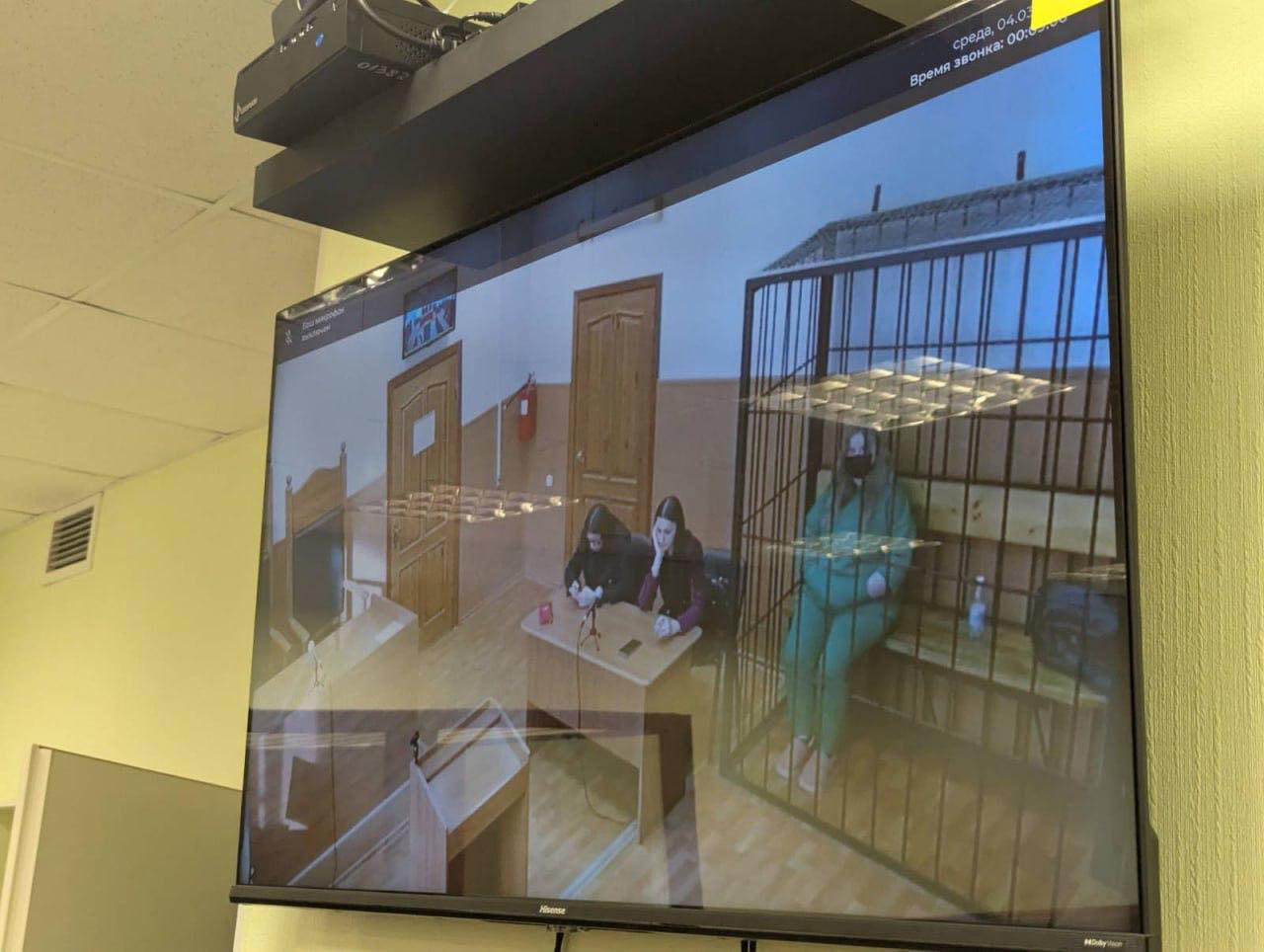
MARIUPOL — In a courtroom filled with the heavy silence of the occupied East, a 25-year-old woman named Angelina Skiba stood to hear her fate. Her crime, according to the Russian state, was the transfer of roughly 6,800 rubles ($75) to the Ukrainian military. Her punishment: 13 years in a high-security penal colony.
The verdict, reported by the independent outlet Mediazona, highlights a sharpening trend of legal severity in Russia’s occupied territories. As the conflict stretches through 2026, the legal boundary between "humanitarian aid" and "high treason" has all but vanished for those living under Russian administration.
The Cost of a Few Thousand Rubles
According to the prosecution, Skiba—a resident of Mariupol who holds both Russian and Ukrainian citizenship—made six separate transfers in Ukrainian hryvnias between 2024 and 2025. The funds were allegedly destined for the Ukrainian Armed Forces (ZSU) and the Azov Battalion.
While the sum of 6,855 rubles might seem negligible to some, the Russian legal system treated it with the utmost gravity. Skiba was charged under two of the most severe articles in the Russian criminal code: financing terrorism and high treason.
The prosecution’s logic was straightforward and unforgiving. They noted that Skiba’s husband had served in the Ukrainian army and died in a Russian detention center after being taken prisoner. Because of this personal history, the state argued, she "fully understood" that the ZSU’s activities were directed against the Russian Federation.
A Defense of Circumstance
Skiba’s defense team presented a different picture—one of a young woman shaped by the trauma of the Siege of Mariupol. They argued that:
- There was no evidence that her small donations caused any tangible harm or "consequences."
- Skiba and her family had spent a significant amount of time in bomb shelters during the height of the fighting.
- She had actively participated in humanitarian aid efforts within her community.
In her final statement to the court, Skiba did not reach for political rhetoric. Instead, she wept.
"I ask you to take into account all the life circumstances I have endured and to give me the minimum possible punishment," she told the judge.
The court, however, remained unmoved by her plea for leniency, handing down a sentence that will keep her imprisoned until she is nearly 40.
The Legal Climate in 2026
The severity of Skiba’s sentence is not an isolated incident. Human rights monitors, including OVD-Info, have noted that by 2026, the average prison term for "political" crimes in Russia has risen significantly compared to the early years of the war.
In the occupied regions—Donetsk, Luhansk, Zaporizhzhia, and Kherson—the pressure is even more intense. Residents are often caught in a "legal pincer": they are encouraged (and often pressured) to take Russian passports for administrative survival, but that same passport makes them eligible for "high treason" charges if they maintain ties to Ukraine.
| Charge | Typical Context in 2026 |
|---|---|
| High Treason | Financial support to ZSU, sharing "sensitive" photos, or dual-citizenship complications. |
| Financing Terrorism | Donations to specific units like Azov or Kraken. |
| Discrediting the Army | Social media posts or private conversations critical of the "Special Military Operation." |
A Divided Reality
For the Russian administration, these trials serve as a "legal wall," signaling that there is no room for divided loyalties in the "new territories." For the Ukrainian government and international observers, however, these cases are viewed as a violation of international humanitarian law, which generally prohibits an occupying power from forcing civilians to change their allegiance.
As the war continues, the case of Angelina Skiba stands as a stark reminder of the personal toll taken on those living in the gray zones of the East. In Mariupol—a city still being rebuilt from the rubble of 2022—the disappearance of a young widow into the Russian prison system is a quiet tragedy that speaks volumes about the current state of justice in the region.